The best choice in diy fixture installation vs plumber depends on the fixture, the water lines, and the risk of hidden damage. Homeowners can often replace simple parts with care. A plumber should handle gas, electrical, sewer, hidden pipe, major leak, and code-related work that could harm people or property.
Table of Contents
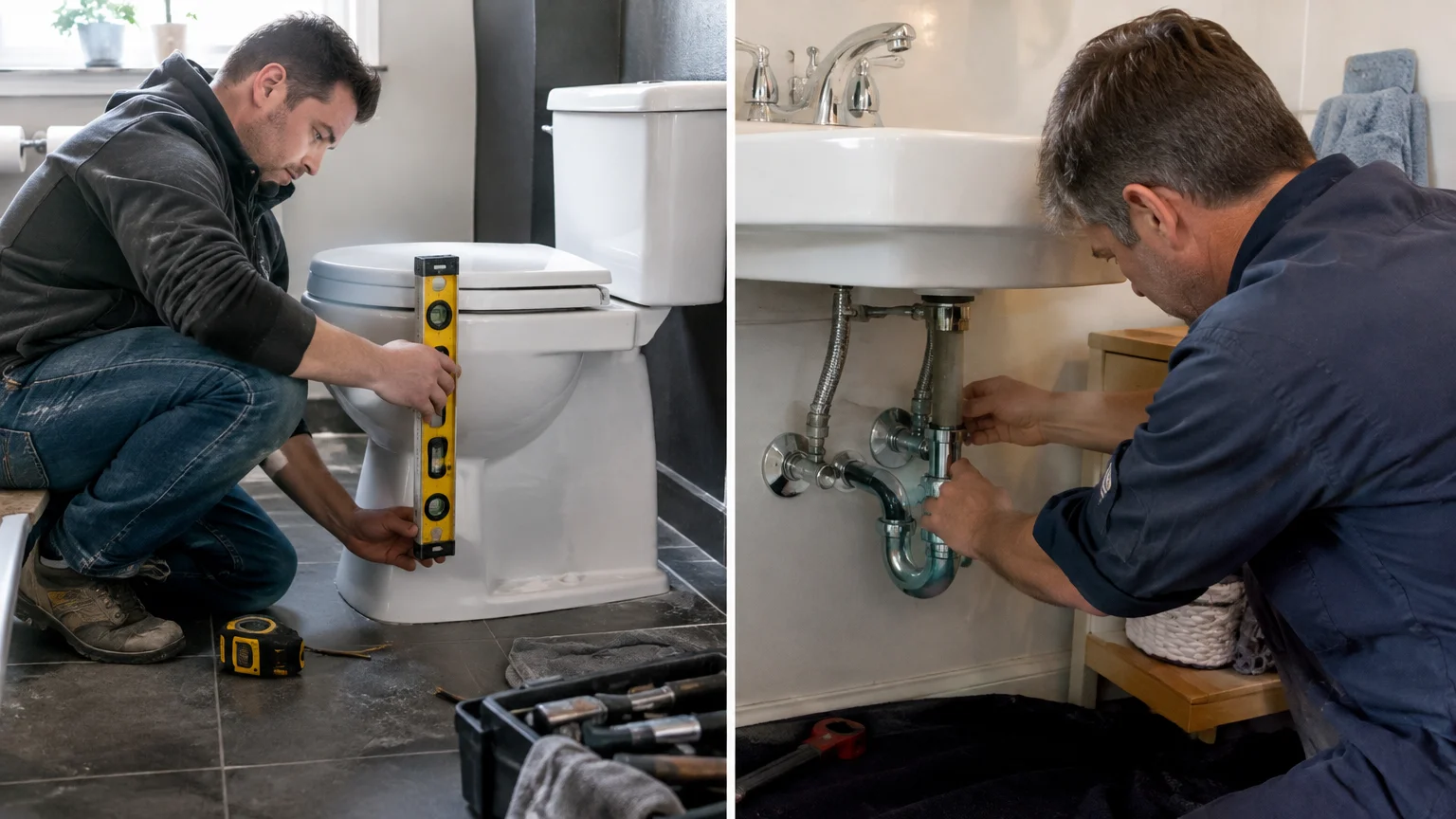
- Which Plumbing Fixtures Are Safe to Install Yourself?
- When Should You Hire a Plumber for Fixture Installation?
- What Are the Risks of DIY Fixture Installation?
- How Do You Compare the Cost and Time of DIY and Professional Installation?
- How Can You Install a Faucet, Toilet, or Fixture Safely?
- What Plumbing Fixture Problems Require Immediate Professional Help?
- How Do You Decide Between DIY Fixture Installation and a Plumber?
- Key Takeaways
- Frequently Asked Questions
- Conclusion
Which Plumbing Fixtures Are Safe to Install Yourself?
Simple fixture work is often safe for a careful homeowner. Replacing a showerhead, faucet aerator, toilet handle, or supply hose usually needs basic tools and clear steps. Shut off the water first. Then check the old connection for wear or damage.
Projects suited to confident DIY homeowners
A homeowner may replace a faucet, toilet seat, sink stopper, or exposed shutoff valve when the pipes are sound. A new toilet can also be manageable when the floor is level and the flange is in good shape. The flange is the fitting that joins the toilet to the drain and holds it in place.
A faucet repair or replacement may be a good DIY job when the cabinet gives easy access. The same can be true for a showerhead or hand sprayer. Still, a fixture that does not match the old connection can turn a small job into a larger repair.
Plainview Plumbing helps property owners understand which fixture jobs may fit their skills. A homeowner in Plainview should stop before forcing a fitting or cutting a pipe. A short pause can prevent a leak and more damage.
Simple upkeep does not always need a professional. Homeowners can clean a faucet aerator, replace a toilet handle, clear hair from a sink stopper, and check exposed supply lines. These jobs are safe when the water can be shut off and no pipe must be changed.
Skills, tools, and instructions you need before starting
Basic skills include turning off water, reading directions, using an adjustable wrench, and spotting worn seals. A bucket, towels, flashlight, approved plumber’s tape, and spare washers may help. Plumber’s tape seals some threaded joints. It should not cover every kind of connection.
Take a photo before removing any part. The photo can show the order of washers, nuts, and hoses. Follow the product guide because fixture designs vary. Keep the work area dry and clear so small leaks are easy to find.
Do not begin if the shutoff valve is stuck, the pipe moves, or the new part does not fit. Do not use force to make two different connections match. These signs mean the job may need a plumber.
When Should You Hire a Plumber for Fixture Installation?
A plumber should install a fixture when the work involves hidden pipes, gas, electrical parts, sewer lines, or major changes to the water system. Professional help is also wise when the water will not shut off or the safe connection is unclear.
Warning signs that professional help is necessary
A wet cabinet, stained wall, soft floor, sewer smell, or dripping ceiling can point to a larger problem. A toilet that rocks, leaks around its base, or backs up may need more than a new seat or handle. A faucet that leaks below the counter may have damaged hoses or valves.
Professional service is also important when old parts break during removal. Corroded nuts can twist supply lines and cause a sudden leak. A plumber can inspect the connection and replace unsafe parts instead of covering the issue with a new fixture.
Repeated clogs are another warning sign. A simple drain cleaning may help a small blockage, but slow drains, gurgling pipes, or repeated backups can point to drain repair needs. Do not keep using harsh chemicals when the cause is unknown.
Situations involving hidden pipes, gas, or electrical connections
Hidden pipe work can affect walls, floors, cabinets, and nearby rooms. Gas fixtures need special care because a wrong connection can create a serious safety risk. Fixtures with electrical parts, such as some garbage disposals or smart toilets, may need safe power isolation and correct wiring.
A plumber may also be needed when a fixture connects to a shared line in a rental, office, or multi-unit building. Work in these settings can affect other people. Plainview Plumbing can help homeowners, landlords, and business owners choose a safe next step.
What Are the Risks of DIY Fixture Installation?
The main risks are leaks, water damage, unsafe connections, and failed parts. A fixture may look secure while a small drip runs into a cabinet, wall, floor, or ceiling. Early testing helps, but some damage stays hidden until it becomes serious.
Leaks, water damage, and incorrect connections
A loose washer, cross-threaded nut, or damaged seal can leak under pressure. Overtightening can crack plastic fittings or harm a faucet body. Flexible supply lines must not bend sharply, rub against a cabinet edge, or twist during installation.
A toilet leak can harm the floor below the bowl. A sink leak can swell cabinets and support mold growth. A poor drain connection can release dirty water into the home. These problems may appear hours after the job ends, so check the area again after use.
DIY toilet repair can be limited to simple tasks such as changing a handle, flapper, or chain. A homeowner should stop when the toilet leaks at its base, rocks on the floor, or keeps backing up. Those signs may involve the flange, drain, or floor.
Code compliance, warranties, and insurance concerns
Plumbing codes set safety rules for drainage, water supply, venting, and fixture installation. Local rules can vary by state and town. A permit or inspection may apply when a project changes pipes, adds a fixture, or changes a building system.
Manufacturer directions also matter. Wrong installation can affect a product warranty. Property insurance may require quick action after a leak. It may not cover damage tied to poor upkeep or unsafe work. Keep product papers and repair records for future use.
How Do You Compare the Cost and Time of DIY and Professional Installation?
DIY work may use fewer resources when the fixture matches the existing connection and the task is simple. Professional work may offer better value when access is hard, parts are damaged, or a mistake could cause major damage. The final cost is confirmed on a quote and depends on the job.
What affects the overall cost of a fixture project
The main factors include the fixture type, part quality, access, pipe condition, needed changes, urgency, and damage. Replacing a visible faucet is usually simpler than moving supply lines or fixing a damaged drain. A toilet replacement may become more involved when the flange or floor needs work.
Time also depends on preparation. Old corrosion, tight spaces, missing parts, and shutoff problems can slow the job. Compare the whole project, not only the fixture. Include tools, cleanup, possible damage, and the time needed to fix a failed installation.
A clogged drain may seem simple at first. If the blockage returns, the work may involve drain cleaning or drain repair. The cause matters more than the visible symptom. A plumber can help find whether the problem is in the fixture, branch line, or main drain.
When professional installation provides better value
Professional installation may provide better value when the work needs diagnosis, special tools, or several connected repairs. It may also lower the chance of repeat leaks and damage. This matters in rental homes, offices, and properties that cannot stay out of service.
A written quote should explain the work, parts, and limits that apply. Property owners can ask what will be tested after installation and whether old connections will be replaced. They should also ask which conditions could change the final cost before work begins.
How Can You Install a Faucet, Toilet, or Fixture Safely?
Safe installation starts with planning, water shutoff, clean connections, and careful testing. The exact steps depend on the product guide. Stop if the valve will not close, the pipe moves, or the connection does not match.
Preparation and shutoff steps before installation
- Read the fixture instructions and check that every part is present.
- Clear the work area and place a bucket under the connection.
- Shut off the local valve or main water supply when needed.
- Open the fixture to release pressure and confirm water stops.
- Remove old parts gently and inspect threads, seals, pipes, and supports.
- Clean connection surfaces without harming the fitting or drain.
A toilet should sit level on a firm floor. A faucet should have the right number of mounting holes and supply connections. A drain trap must line up without force. If the fixture needs pipe cutting, wall access, or electrical work, professional installation is safer.
Testing connections and checking for leaks afterward
Turn the water on slowly while watching every joint. Use a dry paper towel around connections because it can show a small drip quickly. Run the fixture through normal use. Then check below the sink, around the toilet base, and near the shutoff valve.
A new toilet should flush without rocking, leaking, or backing up. A faucet should have steady flow and a dry base. A fixture with a drain should empty without pooling. If water continues after the valve is closed, shut off the main supply if safe and call a plumber.
What Plumbing Fixture Problems Require Immediate Professional Help?
Immediate help is needed for uncontrolled water, sewage, a burst supply line, or a leak near electrical equipment. Shut off the water if it is safe. Avoid dirty water and stay clear of electrical hazards.
Active leaks, damaged supply lines, and sewer concerns
A broken hose can release water quickly and harm floors or cabinets. A leak inside a wall may show as a stain, bubbling paint, musty smell, or warm spot. To find a plumbing leak, check meters, exposed pipes, fixtures, and places where water damage appears.
Sewer concerns need prompt attention. Sewage backup, repeated toilet overflow, and strong sewer odors can expose people to harmful waste. Drain cleaning may help a simple blockage, but repeated backups can point to a damaged or blocked main line.
Do not try to open a hidden pipe during an active leak. Move items away from the water if it is safe. Keep children and pets away from sewage or standing water. A plumber can trace the source and protect the home from further damage.
Commercial property and multi-unit plumbing complications
Businesses, apartments, and shared buildings have added risks. One fixture may connect to a common drain or water line. A leak can affect several units, customers, equipment, or stored goods. Building owners should use a clear response plan and protect the affected area.
A plumber can trace the source, isolate the right line, and record the repair. This is especially important after a pipe bursts in a home or commercial space. Plainview property owners can rely on Plainview Plumbing when a fixture issue may affect more than one room or occupant.
How Do You Decide Between DIY Fixture Installation and a Plumber?
The choice comes down to risk, access, skill, and the condition of the plumbing. DIY may suit a small, visible repair with a working shutoff and clear instructions. A plumber is safer when failure could cause hidden damage or affect other people.
A practical decision checklist for property owners
- The water can be shut off fully and safely.
- The fixture matches the existing openings and connections.
- No gas, electrical, sewer, or hidden pipe work is involved.
- The pipes, valves, floor, wall, and drain appear sound.
- The homeowner has the right tools and product instructions.
- The work can be tested without risking major damage.
If any answer is no, consider professional help. The same rule applies when the homeowner feels rushed, confused, or unsure about a fitting. Stopping early is safer than forcing a part and creating a leak.
Questions to ask before choosing professional plumbing services
Owners should ask whether the plumber handles the needed fixture, checks connected parts, tests for leaks, and explains the work before starting. They can also ask what access is needed and how the property should be prepared.
For a local decision, owners can review service details, licensing information where required, and customer feedback. Plainview Plumbing serves Plainview and can discuss fixture installation, Toilet Repair, Faucet Repair And Replacement, and related plumbing concerns.
Key Takeaways
- Simple, exposed fixture work may suit a careful homeowner.
- Gas, electrical, sewer, hidden pipe, and major leak work needs a plumber.
- Shut off water before removing a fixture or supply connection.
- Test every joint slowly and check again after normal use.
- The final cost is confirmed on a quote and depends on the job.
Frequently Asked Questions
Is it cheaper to install a plumbing fixture yourself?
DIY installation can use fewer resources when the fixture is simple and the connections are sound. However, mistakes can lead to leaks, damaged cabinets, failed floors, or repeat repairs. Professional work may provide better value when access is hard, parts are corroded, or the fixture affects hidden plumbing. The final cost is confirmed on a quote and depends on the job.
How do homeowners know when a faucet needs a plumber?
A plumber is a good choice when the shutoff valve will not close, the pipe moves, or water leaks below the cabinet. Professional help is also wise when the faucet needs new supply lines, changed pipes, wall access, or repair of damage found during removal.
Can a homeowner install a new toilet?
A homeowner may install a toilet when the floor is level, the flange is sound, and the new bowl fits the existing drain. Stop if the toilet rocks, the flange is damaged, the floor feels soft, or water leaks around the base after testing.
What should someone do when a fixture starts leaking after installation?
Shut off the water supply if it is safe, and use towels to contain the water. Do not overtighten the connection while the line is under pressure. If the leak continues, the valve fails, or water entered a wall or floor, a plumber should inspect it.
Does a plumber handle more than fixture installation?
Yes. A plumber can inspect connected supply lines, drains, shutoff valves, leaks, and damaged pipes. Related services may include Toilet Repair, Kitchen Plumbing, Bathroom Installations, water heater work, and drain cleaning. The right service depends on the source of the problem, not only the visible fixture.
Conclusion
DIY fixture installation vs plumber decisions should be based on safety and risk, not confidence alone. A simple faucet part or toilet handle may suit careful DIY work. Hidden pipes, active leaks, sewer issues, gas, electrical connections, and damaged structures need professional attention.
Plainview Plumbing can help homeowners, landlords, and business owners assess fixture problems and plan the next step. Contact us to discuss safe fixture installation or repair for your property.